Equine Cushing’s Disease and EMS – Understanding the Difference
Date: 1 Mar 2026
Pituitary Pars Intermedia Dysfunction (PPID), commonly known as Cushing’s disease, and Equine Metabolic Syndrome (EMS) are two of the most common endocrine disorders affecting horses and ponies. Both conditions significantly increase the risk of laminitis, but they differ in their causes, presentations, and management.
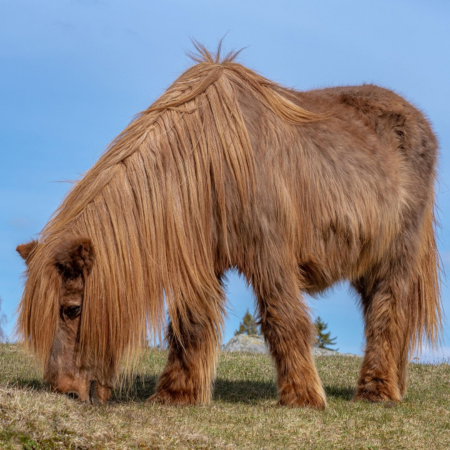
PPID is typically seen in older horses, generally over 15 years of age. It results from pituitary gland dysfunction, leading to excessive production of certain hormones. Common clinical signs include delayed or incomplete shedding, a long or curly hair coat (hirsutism), muscle loss along the topline, lethargy, increased drinking and urination, recurrent infections, and laminitis. In some cases, laminitis may be the first noticeable sign. Diagnosis is based on blood testing, most commonly measuring ACTH levels, with seasonal reference ranges taken into account. Treatment usually involves daily Pergolide, alongside supportive care and careful monitoring.
EMS, in contrast, is more often seen in younger to middle-aged horses and ponies. These animals are frequently “good doers” with regional fat deposits such as a cresty neck, fat pads behind the shoulders, or around the tailhead. The underlying issue is insulin dysregulation, which predisposes them to laminitis. The diagnosis focuses on insulin testing, which may require an oral glucose tolerance test. Management centres on weight reduction, dietary control (particularly limiting non-structural carbohydrates), pasture management, and regular exercise.
Although PPID and EMS can overlap, especially in older horses, distinguishing between them is essential to guide appropriate treatment and reduce the risk of laminitis.
Dr Alana Mockett BVSc Equine Vet, Pukekohe
Back...